
Table of Contents:
I. Introduction
III. Factors Influencing Protein Requirements
IV. Recommended Protein Intake
V. Timing and Distribution of Protein Intake
VII. Potential Risks of High Protein Intake
VIII. Conclusion
I. Introduction
A. Importance of Protein in Muscle Building
Protein is crucial for muscle repair and growth after intense workouts because it gives your body the building blocks to patch up and strengthen those muscles.
When you exercise, especially lifting heavy weights, tiny tears form in the muscle fibers, and protein helps to repair them, making the muscles stronger and better able to handle the next session.
Getting some protein soon after a workout can slightly speed up recovery and optimize muscle gain by giving your muscles exactly what they need when they need it.
Keeping a steady supply of protein on a day-to-day basis is ultimately more important than trying to get it in immediately after a workout.
Keeping a steady supply of protein will help with making progress and keeping those muscle gains, even in a deficit.
B. Common Misconception about Protein Intake
Many people believe high protein intake automatically leads to muscle gain;
The quantity and quality of workouts, as well as overall diet, also matter.
The best gains usually come from adequate protein, intense training, and proper recovery.
Not all protein sources are equal in terms of effectiveness for muscle building.
Certain sources may be slightly lacking in one or more essential amino acids.
But as long as you’re eating a balanced and varied diet, you should be getting all essential amino acids.
C. How Much Protein Is Needed to Build Muscle
To clarify the amount of protein needed for muscle growth, many studies suggest a general guideline of around 1.6 to 2.2 grams per kilogram (0.73 to 1 gram per pound) of body weight for intense training.
Individuals aiming for significant muscle gain may find that increasing their intake toward the higher end of that range and beyond yields better results.
II. Understanding Protein
A. What is Protein?
1. Amino Acids and Their Role
Amino acids are the building blocks of proteins, essential for various bodily functions, including muscle repair.
The body uses amino acids to build and repair tissues, synthesize hormones, and support various metabolic processes critical for overall health.
There are 20 amino acids, of which 9 are essential, meaning the body cannot produce them.
These essential amino acids must be obtained through diet, highlighting the importance of a protein-rich diet to ensure adequate intake.
2. Types of Protein (Complete vs. Incomplete)
Complete Proteins: Contain all essential amino acids (e.g., quinoa, soy). These proteins provide a full range of amino acids that your body needs to build and repair muscle efficiently.
Incomplete Proteins: Lack one or more essential amino acids (e.g., most legumes and grains). Incorporating a variety of sources can ensure you receive all essential amino acids.
B. How Protein Contributes to Muscle Repair and Growth
During resistance training, muscle fibers experience micro-tears; protein helps repair these tears, leading to muscle hypertrophy.
The repair process, stimulated by adequate protein consumption, not only restores muscle fibers but also elevates their size and strength, resulting in noticeable muscle growth over time.
III. Factors Influencing Protein Requirements
A. Age and Gender
Protein needs vary with age; older adults may require more protein to maintain muscle mass due to natural age-related declines in muscle synthesis.
Males generally require more protein than females due to higher muscle mass, making their daily intake goals slightly different due to their physiological differences.
B. Body Weight and Composition
Protein requirements often depend on body weight; heavier individuals typically need more protein relative to their size to support muscle maintenance and growth.
C. Activity Level and Workout Intensity
Athletes and those engaging in strenuous exercise require more protein to support recovery.
Higher-intensity workouts create greater muscle damage, necessitating additional protein for repair.
D. Fitness Goals (Bulking vs. Cutting)
Those aiming to gain muscle (bulking) may have higher protein needs than those looking to lose fat (cutting).
Specific dietary adjustments can significantly impact the rate of muscle gain or the effectiveness of fat loss.
IV. Recommended Protein Intake
A. General Guidelines

1. Daily Recommended Intake for Adults
For general health, adults should aim for at least 0.8 grams of protein per kilogram (0.36 grams per pound) of body weight.
This is the minimum recommended requirement and may not be sufficient for those engaged in regular exercise.
2. Protein Needs for Athletes and Bodybuilders
Recommendations range from 1.6 to 2.2 grams per kilogram (0.73 to 1 gram per pound), depending on intensity and goals.
Fitness enthusiasts and bodybuilders at the higher end of this spectrum and beyond may find that it significantly aids in muscle recovery and growth.
B. Calculating Individual Protein Needs
1. Formula for Protein Intake
Multiply body weight by the recommended protein intake for your specific goal.
Example: A 75 kg (165 lb) individual who does intense training would be going for the high end or beyond that scale with 2.2+ grams per kilogram (1+ gram per pound), They would be trying to get 165 grams of protein because; 75 kg x 2.2 = 165, and 165 lb x 1 = 165.
This can help tailor protein intake to suit activity levels and desired outcomes.
2. Examples for Different Body Types
A 65 kg(143 lb) slightly active individual may only need 1.6 grams of protein per kg(0.73 grams per pound):
65 kg x 1.6 g = 104 grams daily.(143 lb x 0.73 g = 104 grams daily)
Whereas a 185 lb(84 kg) bodybuilder would need at the very minimum 1 gram of protein per lb(2.2 grams per kg):
185 lb x 1 g = 185 grams daily.(84 kg x 2.2 grams = 185 grams daily)
Those with different activity levels or body weights would adjust these calculations accordingly.
V. Timing and Distribution of Protein Intake

A. Importance of Protein Timing
Consuming protein around workouts can optimize muscle repair and growth.
Research suggests a window of approximately 30 minutes to two hours post-exercise is particularly beneficial for muscle recovery.
B. Spreading Protein Intake Throughout the Day
For optimal muscle repair and growth, aim for regular intervals (every 3-4 hours) to maintain a steady supply of amino acids and maximize muscle protein synthesis throughout the day.
This helps in avoiding prolonged periods without nutrient intake, which can be detrimental to muscle recovery.
C. Pre- and Post-Workout Protein Consumption
Consider a protein-rich snack before your workouts, and a balanced meal after workouts to enhance recovery.
VI. Sources of Protein
A. Legumes
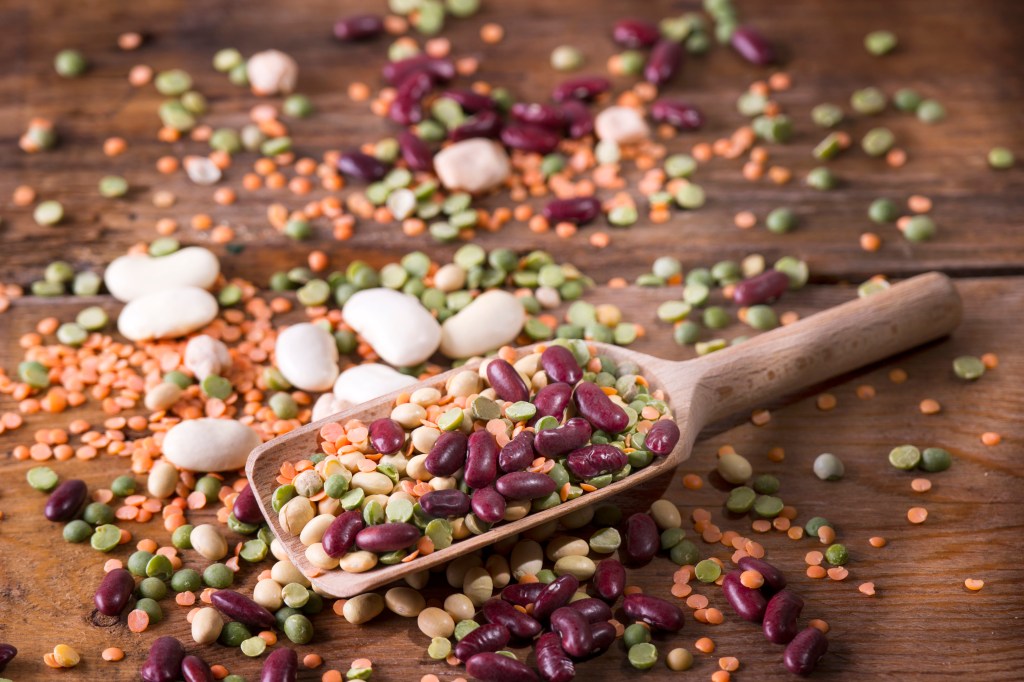
Beans, lentils, and chickpeas are excellent protein sources and rich in fiber.
They provide not only a good amount of protein but also contribute to digestive health and sustained energy levels.
B. Nuts and Seeds
Almonds, chia seeds, and hemp seeds not only provide protein but also healthy fats and other nutrients.
Their diversity in nutrient composition makes them a valuable addition to any diet.
C. Whole Grains
Quinoa, brown rice, and oats are great options, with quinoa being a complete protein.
Whole grains enrich your diet with plenty of fiber and minerals, promoting overall health.
D. Protein Powders/Shakes
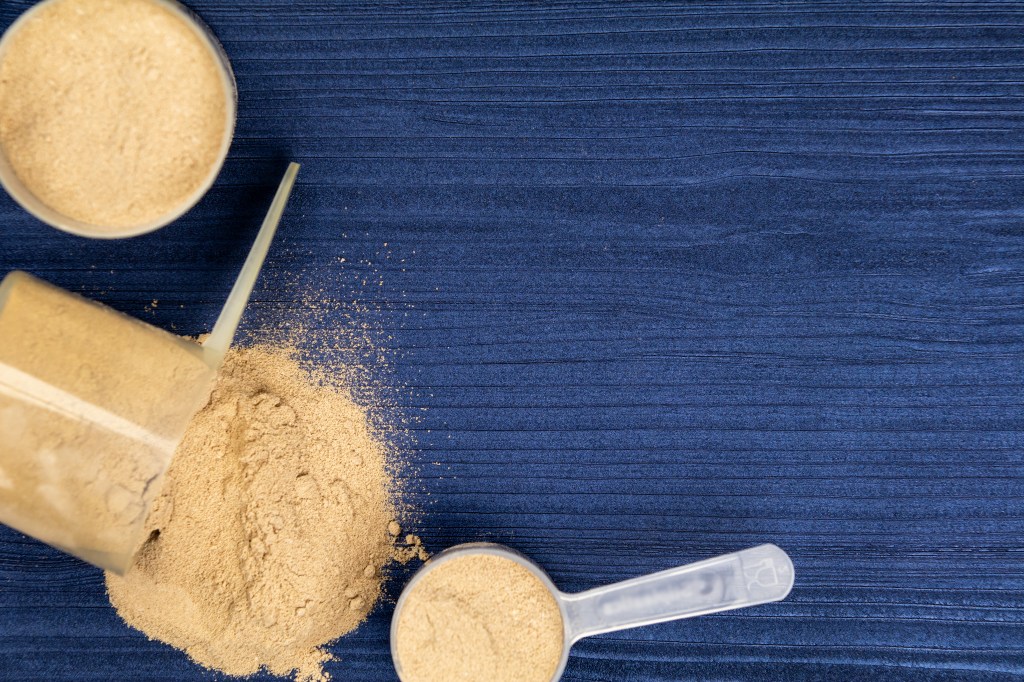
Pea protein, brown rice protein, soy protein, hemp protein, pumpkin seed protein, sunflower seed protein, and blended plant proteins are convenient for boosting daily intake.
They offer easy ways to increase protein without going through the trouble of making and having a meal.
E. Soy Products
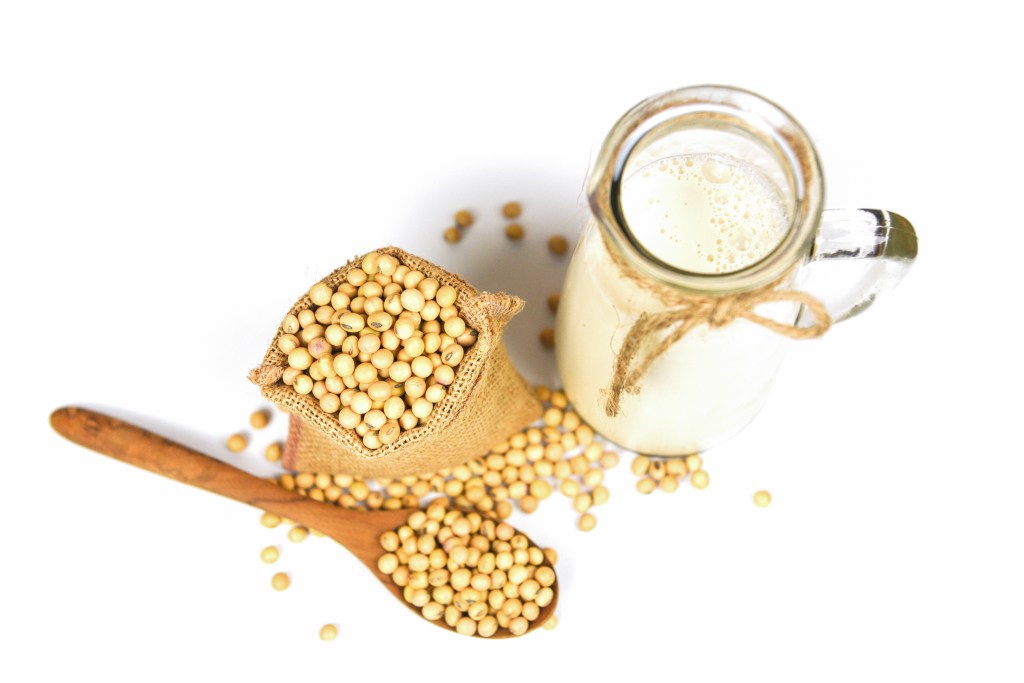
Edamame, tofu, tempeh, miso, soy sauce, soy milk, and TVP (textured vegetable protein) are versatile options for adding protein to your meals and catering to various dietary preferences.
VII. Potential Risks of High Protein Intake
A. Health Considerations
Excess protein can stress the kidneys; moderation is key.
Individuals with existing kidney issues should carefully monitor their protein intake and consult a healthcare professional.
Adequate hydration is crucial when increasing protein consumption.
Increased protein intake necessitates proper hydration to support kidney function and efficient metabolic processes.
B. Importance of Balanced Nutrition
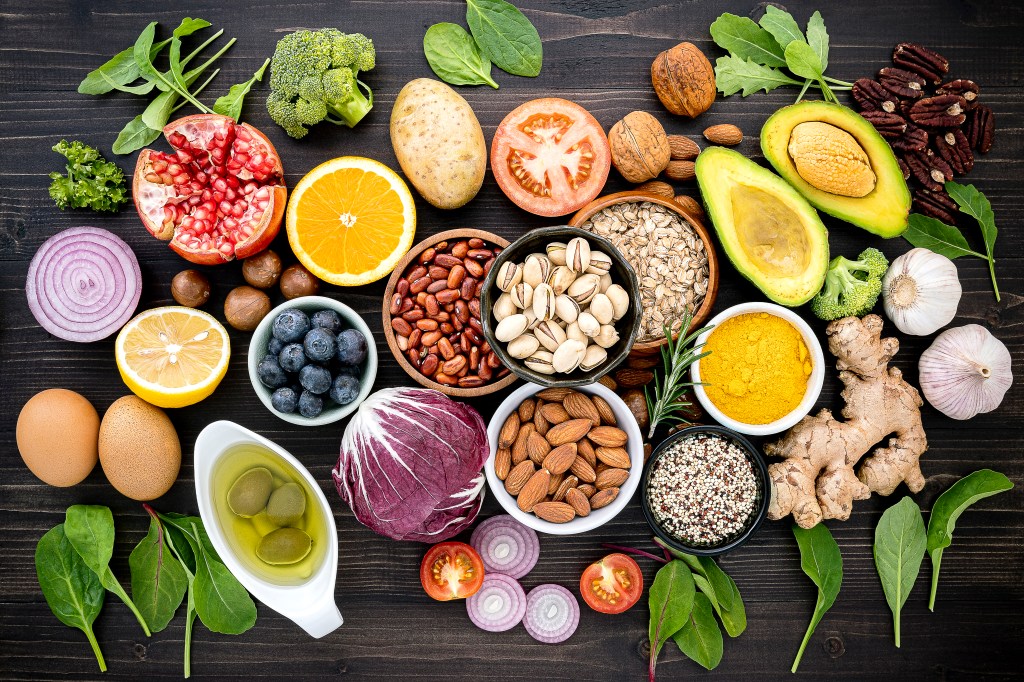
Prioritize a varied diet to ensure the intake of vitamins, minerals, and other nutrients alongside protein.
Relying too heavily on protein can lead to deficiencies in other key macronutrients and micronutrients.
VIII. Conclusion
A. Protein Importance for Muscle Building
Adequate protein is essential for muscle repair, growth, and overall fitness.
Understanding the right intake can empower individuals in their fitness journeys, helping them to achieve their muscle-building goals.
B. Find a Personalized Approach
Individual needs may differ; listen to your body and adjust accordingly.
It’s important to remember that finding the right balance that works for you personally is essential for achieving long-term results.
C. Final Thoughts
A balanced diet combined with a structured workout plan is key to achieving muscle growth.
Emphasizing a personalized approach to nutrition and fitness will lead to sustainable results and improved overall health.
 Elemental Fitness
Leave a comment